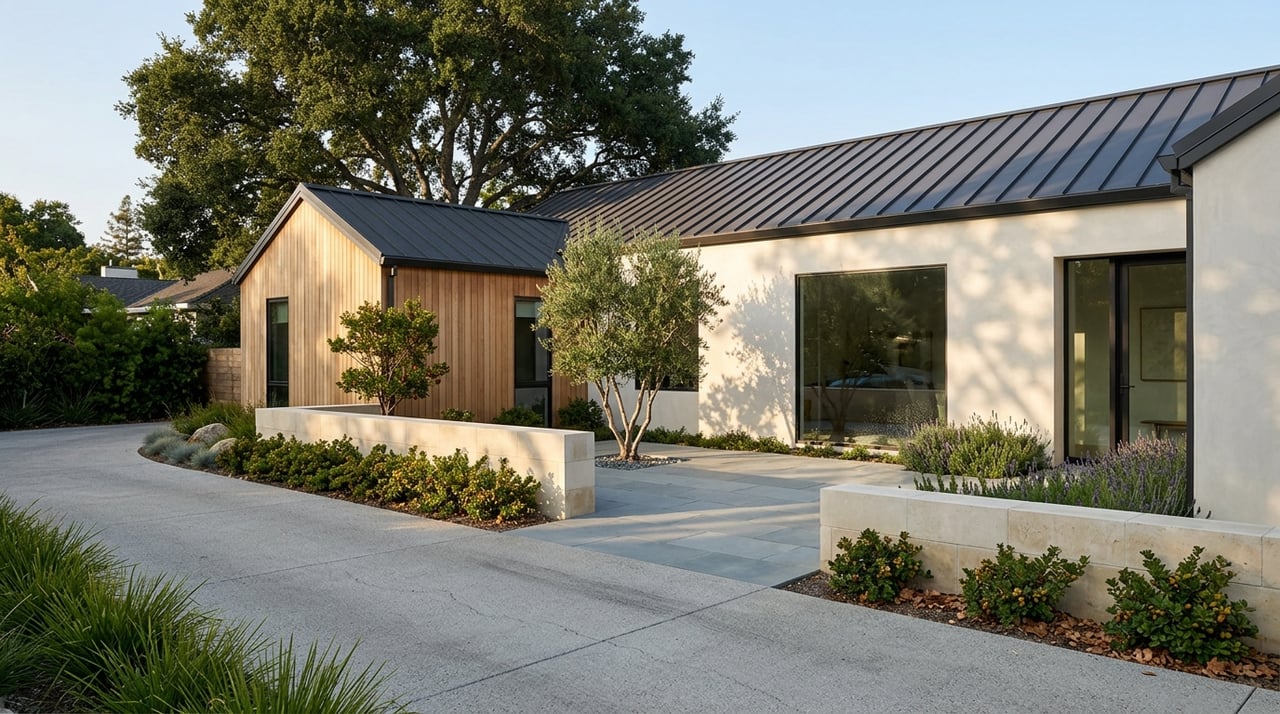
When you look at luxury home prices in Ross, square footage only tells part of the story. In a town this small and tightly shaped by its planning rules, two homes with similar size can command very different values based on land, privacy, architecture, and location within town. If you are buying, selling, or simply trying to understand your property’s position in the market, it helps to know what truly moves the needle here. Let’s dive in.
Why Ross values work differently
Ross is not a large market with broad price bands across many distinct neighborhoods. According to the Town of Ross, the town spans just 1.6 square miles, has about 2,550 residents, and includes 892 housing units, with a long-standing focus on preserving its historical low-density character.
That small footprint changes how value is created. In Ross, pricing often comes down to the quality of the individual parcel and how well the home fits the site, rather than just the size of the house itself. That is a big reason why the town can support high values, with Zillow reporting an average Ross home value of $3,794,882 as of February 28, 2026.
Land utility matters more than lot size
One of the biggest drivers of luxury value in Ross is how usable the land actually is. A large lot may sound impressive on paper, but if steep slopes, coverage limits, or other development constraints reduce flexibility, that lot may not deliver the same value as a more functional site.
The town’s zoning regulation summary shows minimum lot areas ranging from 5,000 square feet to 10 acres, while lot coverage and floor-area ratios are often capped between 10% and 20% depending on district. For hillside lots with slopes above 30%, or in slope-stability zones 3 or 4, the town applies an additional floor-area formula.
For you as a buyer or seller, that means the real question is not just, “How big is the parcel?” It is, “What can this parcel comfortably support?” In Ross, usable outdoor space, room for separation from neighbors, and the ability to accommodate features like guest space, a pool, or future expansion can have a major effect on value.
What buyers notice about a parcel
High-end buyers tend to focus on a few practical questions when comparing Ross properties:
- How level and usable is the site?
- How much privacy does the parcel create from the street and nearby homes?
- Can the lot support outdoor living without feeling crowded?
- Is there meaningful flexibility for future changes within town rules?
In other words, lot utility often outperforms raw lot size in this market.
Privacy carries a real premium
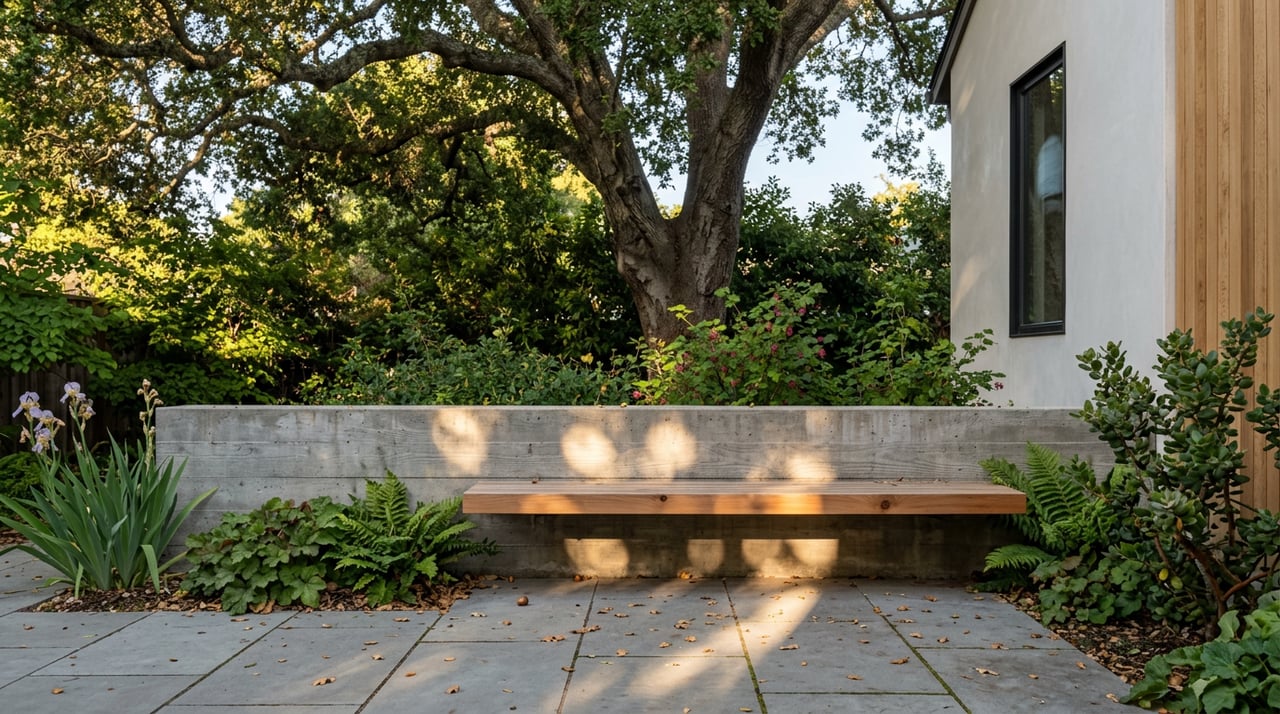
Privacy is not just a lifestyle perk in Ross. It is often a pricing factor. In a small town where every parcel is distinct, a home that feels tucked away, buffered by landscaping, and well separated from nearby properties can stand apart quickly.
That idea is reinforced by Ross’s local review culture. The town’s Advisory Design Review Group evaluates site planning, building massing, setbacks, light, air, privacy, and architectural and landscape materials. That tells you privacy is not incidental here. It is part of how residential design is considered in the first place.
For sellers, this matters when positioning a property. A site that offers calm, screening, and a strong sense of retreat may deserve more attention in pricing and marketing than a simple square-foot calculation would suggest.
Architecture can separate one home from another
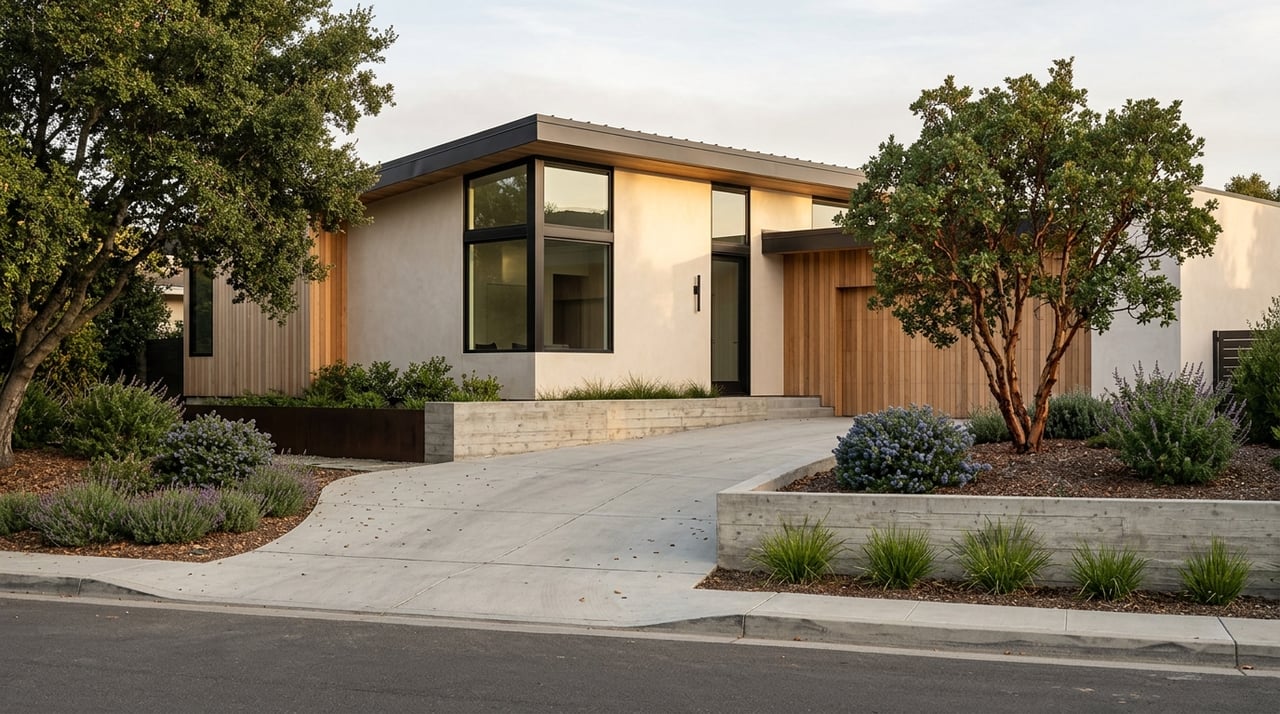
In Ross, architectural quality can act as a true value multiplier. Because the town has a documented design history and a review process that pays close attention to form and materials, buyers often respond strongly to homes with real architectural identity.
The Ross Historical Society points to notable names connected to the town’s built environment, including Howard and White, Maxwell Bugbee, Gardner Dailey, and the Maybeck-attributed Gray Oaks. A town historic-resource evaluation also identifies John White-designed civic buildings as significant examples of Spanish Colonial Revival design and notes White’s connection to Bernard Maybeck.
That context helps explain why buyers may pay more for a home with documented pedigree, thoughtful proportions, or a renovation that respects the original design. In Ross, a house that feels distinctive and coherent often competes better than one that is simply bigger.
Design details that can influence value
Not every premium comes from a famous architect. Often, value shows up in the quality of execution, including:
- Strong siting on the parcel
- Balanced massing and scale
- Durable, well-chosen exterior materials
- Renovations that feel integrated rather than pieced together
- Indoor-outdoor flow that suits the property
That design lens is one reason Ross homes can be difficult to judge by public data alone. The nuance matters.
Mature landscaping adds more than curb appeal
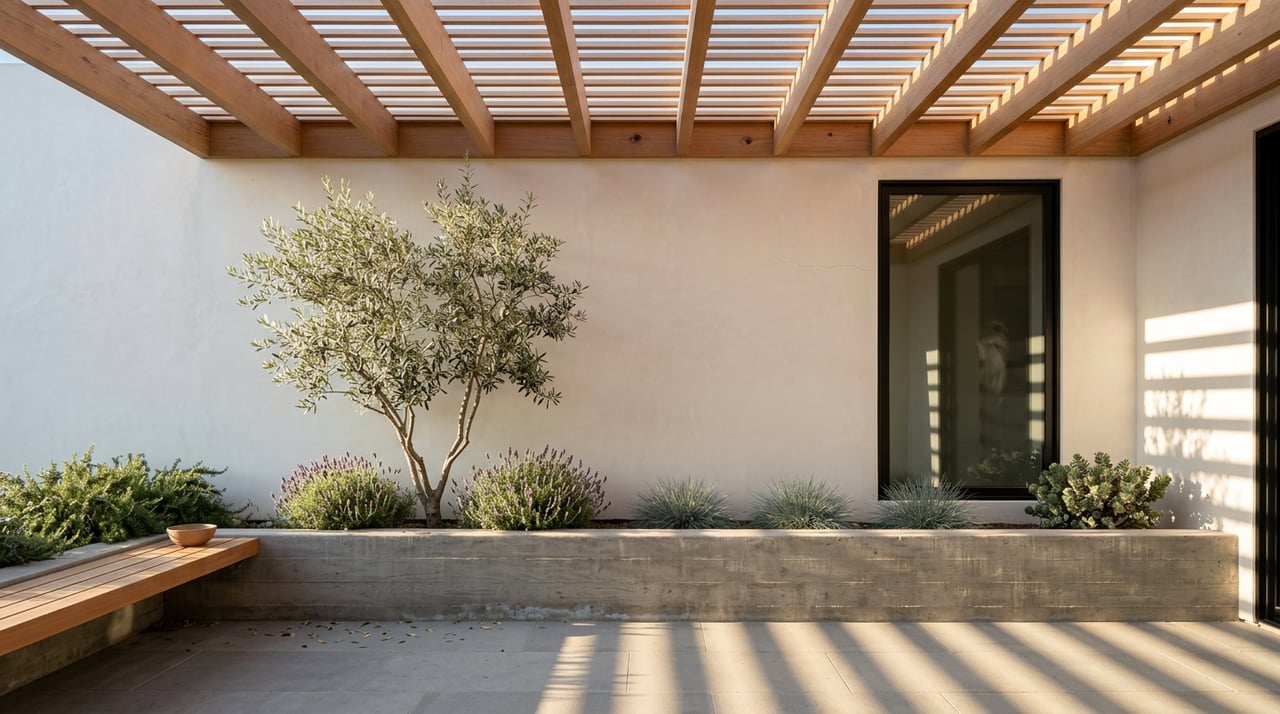
In many luxury markets, landscaping helps with first impressions. In Ross, it often does more than that. It can shape privacy, reinforce the estate feel of a property, and create the kind of setting buyers expect in a town known for tree-covered hills, winding creeks, and graciously landscaped streets and gardens.
The Town of Ross notes that natural beauty is central to the town’s identity. Its history also reflects how seriously residents have treated landscape stewardship, including an early requirement for approval before trees could be cut down.
That backdrop helps explain why mature planting, established trees, and a coherent garden plan can contribute real market value. A property with intentional landscape design may feel more complete, more private, and more in tune with Ross itself.
School access shapes micro-location value
Ross is unusual because school access is concentrated near the town center. That creates a micro-location effect that can influence both daily convenience and long-term resale appeal.
The Ross School District is a single-site public K through 8 district in Ross. Its district profile says it serves the town’s K through 8 students, with an average class size of about 18 and a 13:1 student-teacher ratio. The Tamalpais Union High School District lists Ross ZIP code 94957 as feeding to Redwood High School, and the Town of Ross also lists The Branson School in Ross.
When buyers compare similar homes, proximity to these school options can become part of the value conversation. Even for buyers not focused on current school use, easy access can support a stronger resale story later.
Ross Common and town center proximity count
In a town as small as Ross, being close to the civic core can carry a meaningful premium. Ross Common sits near Ross School and the small commercial area, giving certain properties easier access to the town’s social and civic center.
The Town of Ross lists community events at Ross Common, including the Ross Town Dinner and Fourth of July celebration. In practical terms, that means some homes benefit from a closer connection to the walkable, recognizable heart of town.
For buyers, this can translate into convenience and a stronger sense of place. For sellers, it can be an important part of how your home is positioned against competing listings.
A simple framework for valuing a Ross luxury home
If you want to understand what really drives value in Ross, start with these questions:
- How usable is the land?
- How private does the property feel?
- Is the architecture distinctive or well executed?
- Does the landscaping create a mature setting?
- What school and town-center access does the location offer?
- How rare is this exact parcel compared with other Ross options?
This is why two homes with similar interior size can land at very different price points. In Ross, scarcity is tied to parcel quality, planning constraints, and micro-location, not just the number of rooms.
What this means if you are selling in Ross
If you are preparing to sell, the best pricing strategy usually goes beyond recent price-per-square-foot comparisons. Your home’s story may be stronger in its site utility, privacy, garden setting, architectural character, or town-center location than in raw interior dimensions alone.
This is also where thoughtful presentation matters. A design-minded approach to pre-listing improvements, photography, and marketing can help buyers see the qualities that make a Ross property truly hard to replace.
What this means if you are buying in Ross
If you are buying, it helps to look past the headline metrics first. A house with slightly less interior space may offer more long-term value if the land is more usable, the setting is more private, or the location offers a better connection to the center of town.
That kind of analysis takes local context. In a market this nuanced, understanding zoning limits, site feel, and the resale narrative can help you make a more confident decision.
If you want a thoughtful read on how a Ross property should be positioned, priced, or evaluated, Daniel M. Nebenzahl offers boutique, design-aware guidance rooted in local market knowledge.
FAQs
What factors most affect luxury home values in Ross?
- The biggest factors are land utility, privacy, architectural distinction, mature landscaping, school access, and proximity to Ross Common and the town center.
Why does lot utility matter so much for Ross homes?
- Ross zoning rules, hillside constraints, and low-density planning mean a parcel’s usability can matter more than its total size when buyers assess value.
How does architecture influence Ross luxury pricing?
- Homes with documented pedigree, strong original design, or carefully executed renovations can command a premium because design quality is an important part of Ross’s local character.
Does proximity to schools affect Ross home values?
- Yes. Because school access is concentrated near the town center, homes with convenient access may benefit from stronger buyer interest and resale appeal.
Why is Ross Common important in Ross real estate?
- Ross Common is part of the town’s civic core, near schools and the small commercial area, so nearby homes may benefit from added walkability, convenience, and connection to community events.