Wondering why one older Mill Valley home draws intense buyer interest while another stalls, even when they look similar on paper? In this market, buyers are often paying for possibility as much as present condition. If you are buying, selling, or weighing improvements, it helps to understand how remodel potential really affects value in Mill Valley and nearby Marin communities. Let’s dive in.
Why remodel potential matters in Mill Valley
Mill Valley is a strong example of a value-add market because so much of the city is already built out. The city has said that 97% of parcels were already developed, which leaves limited room for entirely new housing supply. That puts more attention on existing homes and what they can realistically become.
The city has also reported that 86% of parcels are in areas of heightened fire risk and/or flood plains. In practical terms, that means remodel potential is not just about imagination or design taste. It is also about whether the property can be improved cleanly within local rules and site conditions.
That matters even more in a high-value market. As of spring 2026, Zillow estimated Mill Valley’s typical home value at about $2.14 million, while Redfin reported a March 2026 median sale price of $2.4 million. Those figures use different methods, but both point to the same takeaway: buyers are making major financial decisions, and upside matters.
Older homes often carry the biggest upside
A large share of Mill Valley housing was built decades ago, and that shapes how buyers think. The biggest age cohort in the city’s housing stock was built from 1940 to 1959, with 2,002 units in that period. Many homes are not competing as new construction. They are competing based on how well they can be updated for today’s living.
Mill Valley’s housing stock is also still largely detached housing. In 2020, the city was 65.8% single-family detached, which means much of the local market centers on individual homes with their own layout, lot, and site-specific potential. That makes remodel analysis highly property-specific.
For many buyers, the question is not simply, “Is this home updated?” It is, “Can this home become meaningfully better without creating major permitting, design, or site challenges?” That is where value starts to separate.
What buyers usually reward
In Mill Valley, buyers often respond best to improvements that make a home feel more functional, brighter, and easier to enjoy day to day. According to local market trend data cited in the research, features like backyards, storage, shower stalls, landscaping, basements, gas cooktops, soaker tubs, and corner lots all tend to attract attention. That gives you a useful clue about what the market values.
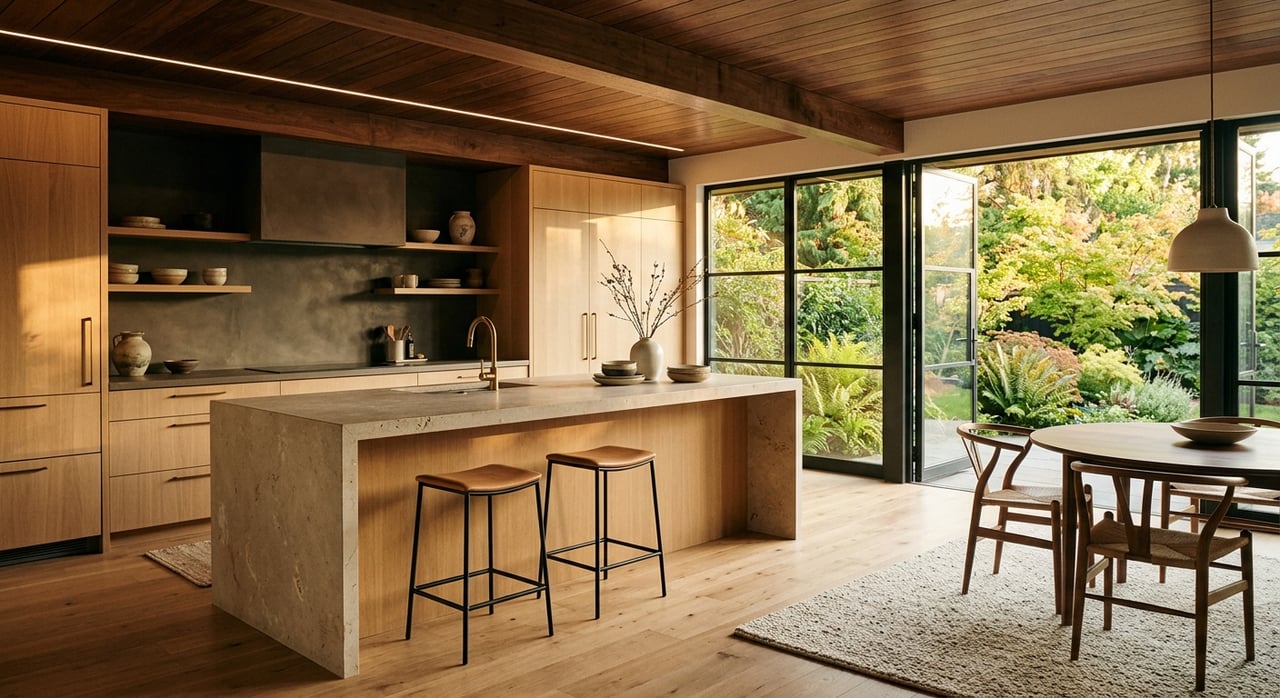
In other words, the strongest remodels are not always the largest ones. A smart interior reconfiguration, better indoor-outdoor flow, improved storage, or upgraded systems may do more for appeal than a bulky addition that is hard to permit or awkwardly designed.
Mill Valley’s single-family design guidelines support that idea. They emphasize compatibility with neighborhood character, site planning, building design, landscape design, and sustainability rather than one specific architectural style. Buyers may love design, but they also tend to reward homes that feel well resolved on their site.
Layout, light, and livability drive value
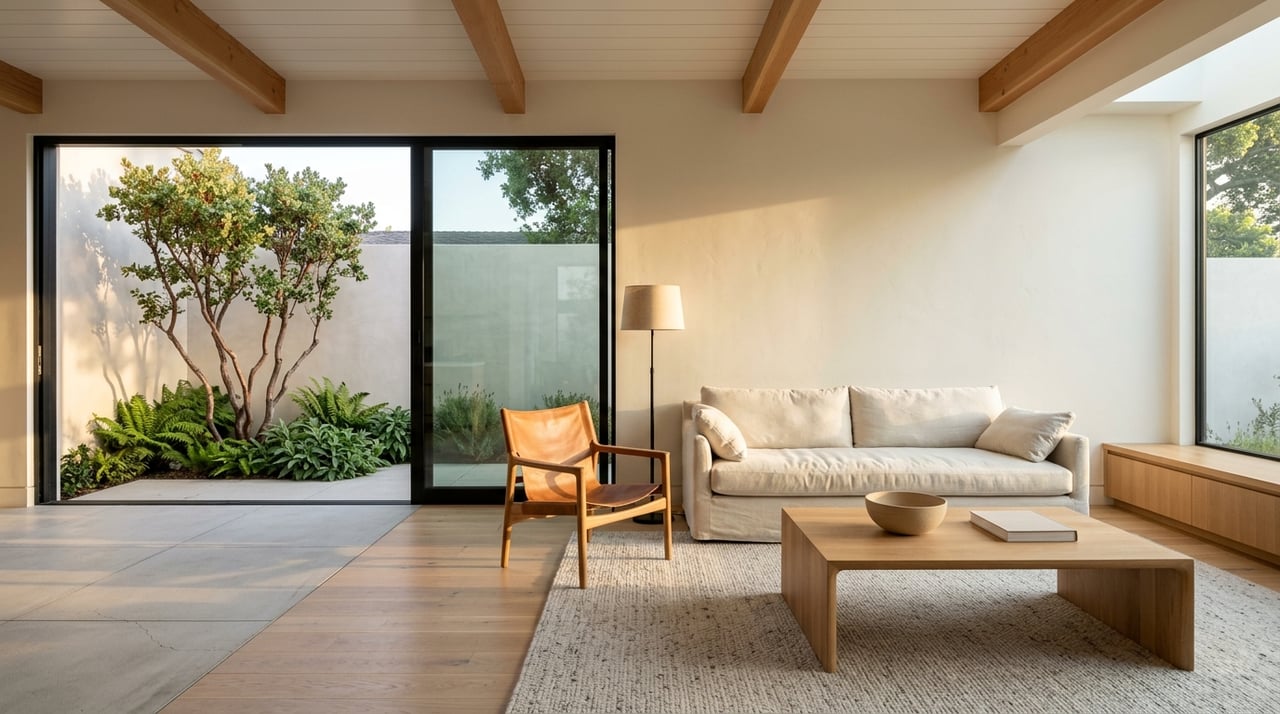
Vintage cottages and older single-family homes often have a clear value-add story because many can benefit from better layout, more natural light, and improved livability. These updates can make a home feel dramatically different without requiring the most complex path through review. In a built-out market, that kind of efficient improvement can be very valuable.
For sellers, this is important because buyers often price in the work they think they will need to do. If your home already addresses common pain points like flow, storage, or outdated systems, it may feel more complete and more competitive. If it does not, buyers may still want it, but they will often think hard about the cost and feasibility of the next step.
For buyers, this creates opportunity. An older home with good bones and realistic improvement paths may offer more long-term value than a home that looks polished but has less flexibility.
Hillside and view homes need a closer look
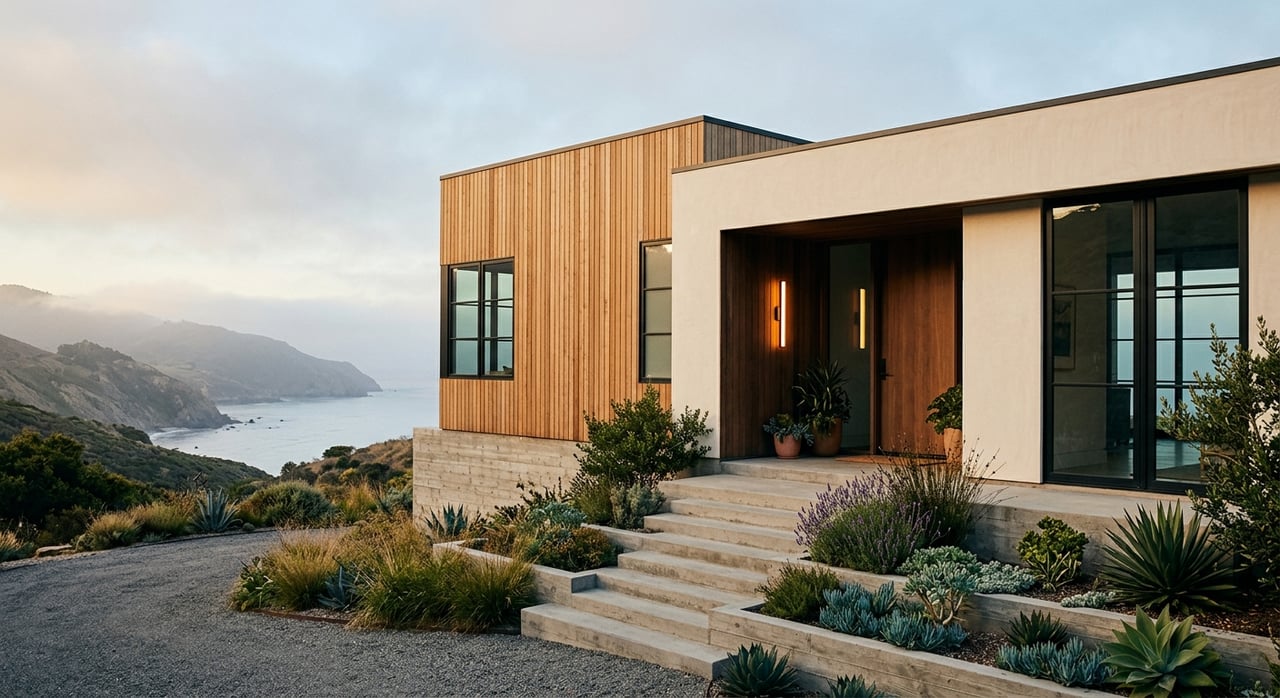
Hillside contemporaries and view properties can command strong premiums in Mill Valley, but their upside is rarely simple. The city’s design guidelines say sloped-lot projects should relate to the existing landform, minimize mass and height, and reduce cut-and-fill. That means dramatic expansion plans may look exciting at first, but they can become more complicated once design and site constraints enter the picture.
There is another detail many buyers miss. Mill Valley’s guidelines explicitly say the city does not have a view ordinance. A home’s views may carry major market value, but local review does not guarantee long-term view protection in the way some buyers assume.
That does not make hillside homes less desirable. It just means remodel potential has to be judged with more care. On these properties, clean design execution and realistic site planning usually matter more than raw square-foot ambition.
ADUs can add flexible value
Accessory dwelling units are one of the clearest ways some Mill Valley properties can gain utility and flexibility. The city says a single-family parcel can have one ADU or JADU, with one ADU plus one JADU allowed under certain conditions. In a market where expansion is often constrained, that can be a meaningful advantage.
The city also states that an 800-square-foot ADU is allowed regardless of existing site conditions, and detached ADU structures can be pre-approved to help streamline review and reduce cost. That makes ADU potential especially relevant when a main-house addition would be difficult, expensive, or disruptive.
From a market perspective, ADUs can support value in several ways:
- Flexible space for guests, work, or extended use
- Better utility on constrained lots
- A separate structure that may be easier to plan than a major main-house expansion
- Income potential, where appropriate for the owner’s goals
Across Marin County, ADU activity has become more common. The county reported 83 ADUs were permitted in 2025, which suggests this strategy is increasingly part of the regional value-add conversation.
Local review can change the math
One of the biggest drivers of value in Mill Valley is not just what you want to build, but what the city will require you to review, revise, and approve. The city says design review is generally required for all new homes, accessory structures over 150 square feet, certain additions or exterior changes, demolitions of 50% or more of the exterior surface area, and residential additions exceeding 35% of existing floor area or 1,000 square feet.
That can have a direct effect on return on investment. A project that looks straightforward may become more expensive or slower if it triggers a higher level of review. Roofline changes can add another layer, since projects that substantially change a roofline may require story poles and written notice to neighboring properties within 300 feet.
This is why experienced local guidance matters. The best value-add opportunities are often the homes where the improvement path is not just appealing, but also predictable.
Flood, fire, and grading issues matter
In Mill Valley, site constraints can affect remodel value just as much as design potential. Floodplain rules are a major example. The city defines a substantial improvement as any repair, remodel, rehabilitation, addition, or improvement that equals or exceeds 50% of the depreciated market value of the existing structure.
If a project crosses that line, it may need to comply with floodplain regulations. In some cases, that can mean elevating the finished floor or floodproofing the structure. What starts as a straightforward remodel can quickly become a very different project.
Fire exposure, drainage, grading, and mature trees can also shape the feasibility of improvements. Mill Valley’s design guidelines encourage defensible space, fire-resistant landscaping, and careful treatment of grading and drainage. As a result, the remodel with the best payoff is often the one that improves daily living while limiting major site disturbance.
Historic context can add complexity
Older homes often carry charm, but some also carry extra review considerations. Mill Valley’s historic resources survey found that surveyed properties were heavily weighted toward 19th- and early 20th-century residential types. While only 27 properties were locally designated in the Historic Overlay zone at the time of the survey, age-eligible properties may still require additional evaluation in some cases.
For buyers, this means a charming older house may deserve more due diligence than you expect. For sellers, it means the home’s story and architectural integrity may be important, but so is clarity around what future changes could involve. Historic context does not automatically block improvements, but it can affect timing, design, and cost.
How to judge remodel potential before you buy or sell
The most useful remodel analysis usually starts with practical questions, not wish lists. Before you assume a property has major upside, it helps to look at the basics first.
Here are some of the smartest questions to ask:
- What does the permit history show?
- Is the zoning classification clear through local mapping tools such as MarinMap?
- Is the lot sloped or otherwise constrained?
- Is the property in a floodplain or area of heightened fire risk?
- Could historic context trigger added review?
- Would an ADU, JADU, or interior reconfiguration create more value than a large addition?
Mill Valley’s planning page also notes that owners should verify zoning before starting a project and that the city requires a special inspection for any home being sold in town. Those details may sound administrative, but they can affect both marketing strategy and buyer confidence.
What this means for sellers
If you are selling in Mill Valley, remodel potential can be part of your value story even if you have not completed a major renovation. Buyers often pay attention to whether the next improvement feels realistic. A home with clear, believable upside may attract stronger interest than one with vague promise but difficult constraints.
This is where presentation and positioning matter. You want buyers to understand the home’s current strengths, but also its next chapter. That could mean highlighting layout flexibility, ADU possibilities, outdoor connection, storage, or a site that supports thoughtful design without obvious overreach.
A design-minded marketing approach can help frame that opportunity clearly. In the right hands, remodel potential becomes less about speculation and more about an informed, local narrative buyers can trust.
What this means for buyers
If you are buying, remodel potential should be part inspiration and part discipline. It is easy to fall in love with what a home could become, especially in a place as visually compelling as Mill Valley. But the smartest buyers match vision with feasibility.
That means looking beyond finishes and asking better questions about review triggers, site limitations, and likely project paths. In many cases, the best opportunity is not the house with the biggest expansion fantasy. It is the house where targeted changes can create better function, comfort, and long-term value with fewer obstacles.
The Mill Valley bottom line
In Mill Valley, remodel potential shapes home value because so much of the market is older, built out, and constrained by real local conditions. Buyers are not just valuing square footage. They are valuing feasibility, livability, and the likelihood that a home can evolve successfully.
That is why the strongest properties are often not simply the biggest or newest. They are the homes where design opportunity, site conditions, and local review align in a practical way. When you understand that mix, you can make better buying decisions, smarter selling choices, and more realistic plans for the future.
If you want a clear read on how remodel potential may affect your home’s market position or your next purchase in Mill Valley, Daniel M. Nebenzahl can help you evaluate the details with local insight and a design-minded perspective.
FAQs
How does remodel potential affect Mill Valley home value?
- In Mill Valley, remodel potential often affects value because buyers look at what a home can become within local design review, site constraints, and neighborhood compatibility standards.
What kinds of Mill Valley homes usually have the most upside?
- Older single-family homes, especially those built from the 1940s through the 1950s, often have strong upside when layout, light, systems, and livability can be improved without major site complications.
Do hillside homes in Mill Valley always have better remodel value?
- Not always. Hillside and view homes can command strong premiums, but their remodel potential depends heavily on slope, grading, massing, and how well a project fits the existing landform.
Can an ADU increase value for a Mill Valley property?
- It can, especially where a property has limited expansion options for the main house. ADUs may add flexibility, utility, and possible income potential depending on the owner’s goals and the property’s conditions.
What local rules should Mill Valley buyers and sellers watch closely?
- Key issues include design review triggers, floodplain rules, zoning verification, historic context, and site factors such as fire exposure, drainage, grading, and mature trees.
Why do smaller remodels sometimes perform better in Mill Valley?
- Smaller, well-planned improvements can perform better because they may improve function and appeal without triggering the same cost, delay, or complexity as a large addition.