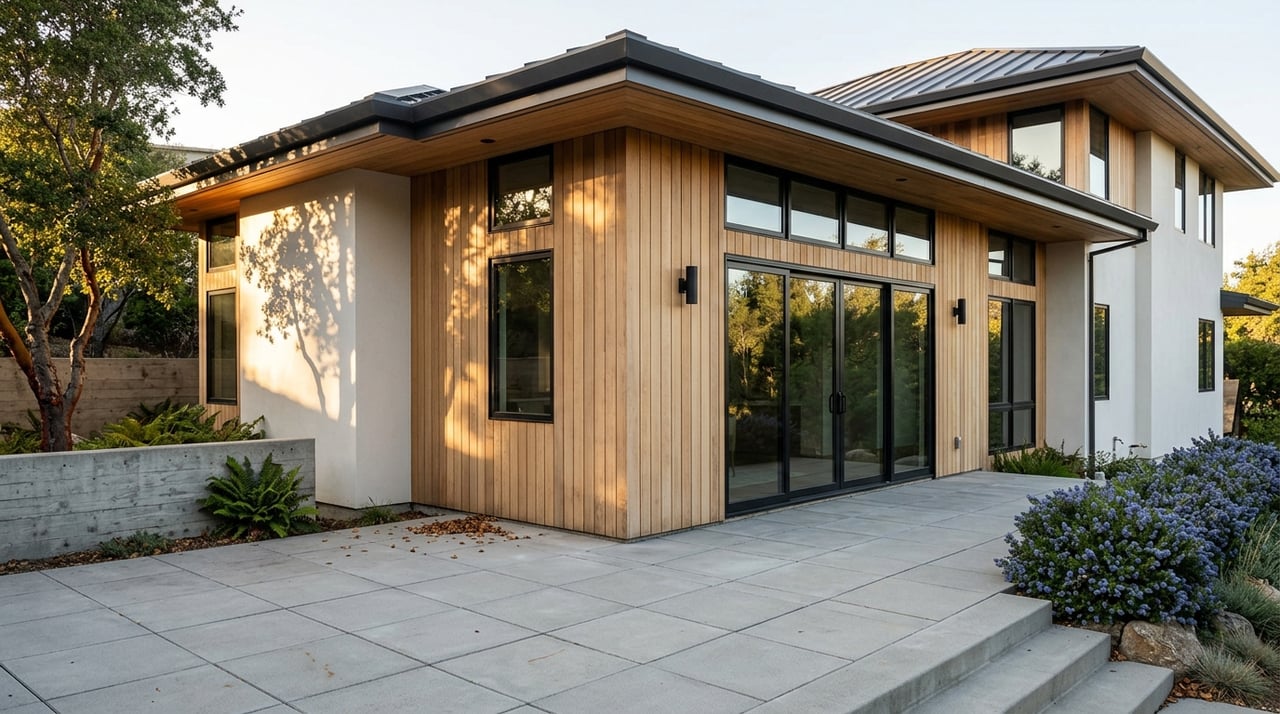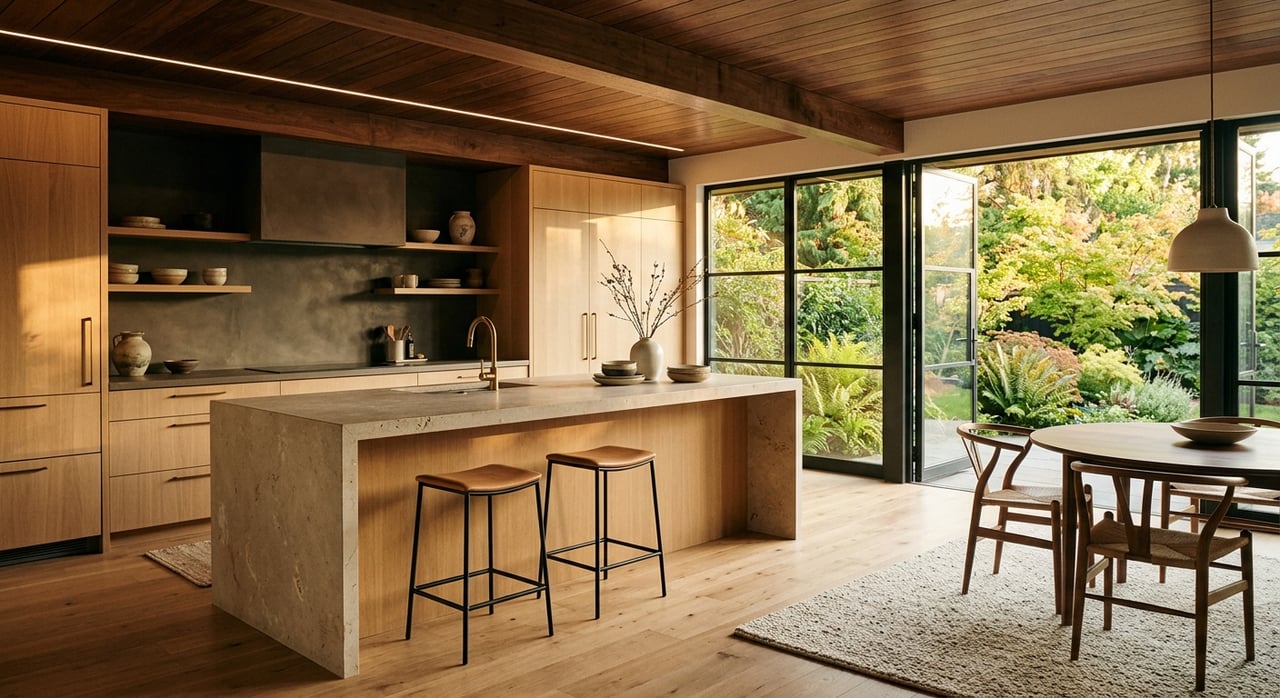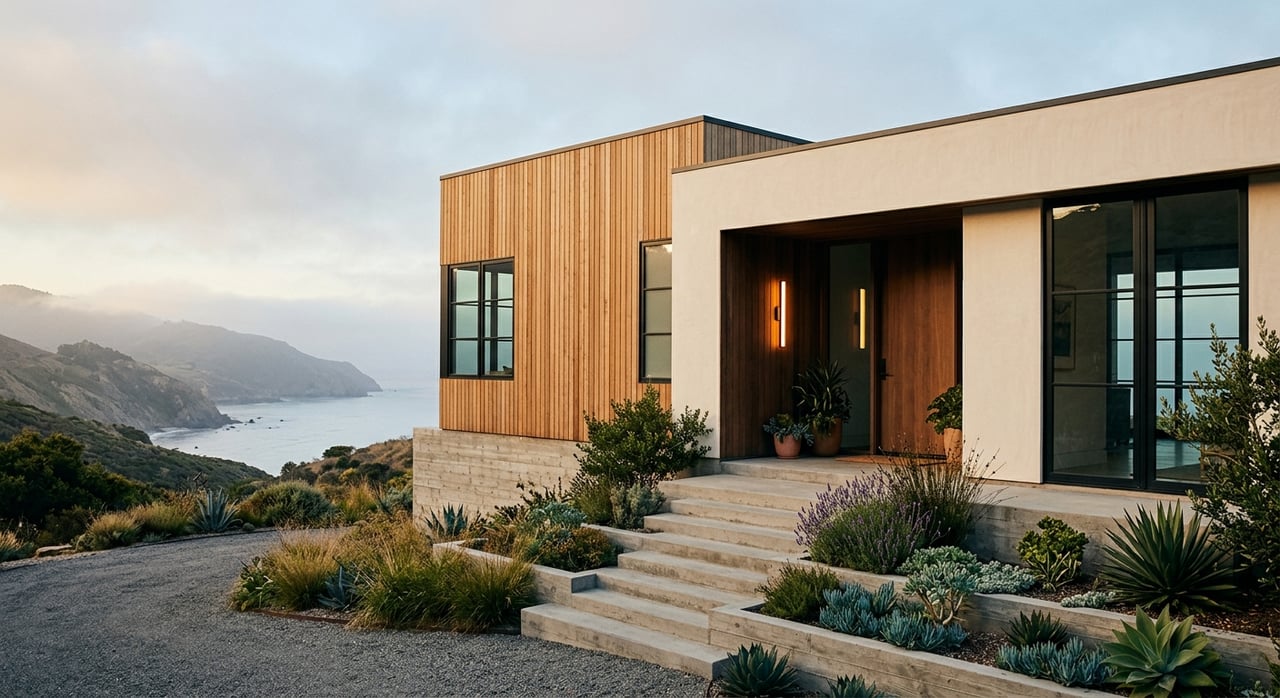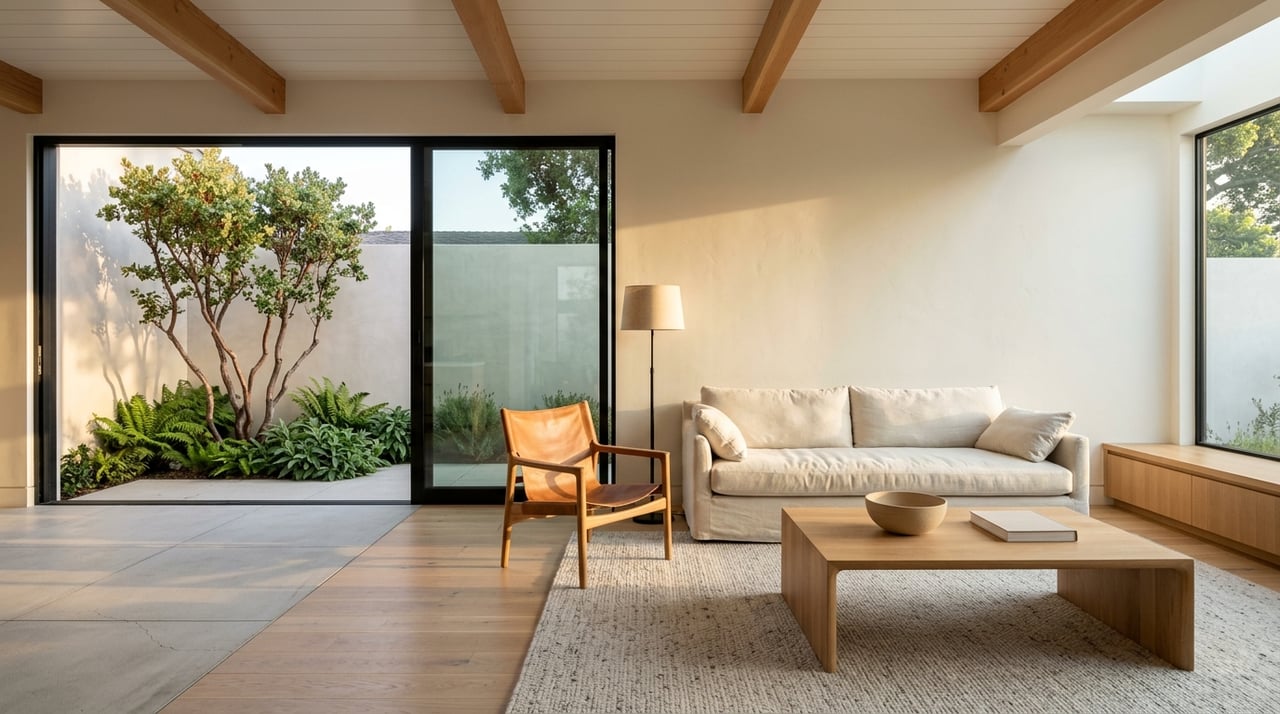
When you sell a home in Mill Valley, staging is not about making it look generic. It is about helping buyers instantly understand the home’s light, layout, character, and connection to its setting. In a market where homes can move quickly and listing photos carry real weight, thoughtful staging can shape both first impressions and buyer confidence. Here’s how to stage a Mill Valley home in a way that feels polished, local, and market-smart. Let’s dive in.
Why staging matters in Mill Valley
Mill Valley has a distinctive housing mix, with many single-family homes and a notable historic housing stock. The city’s own materials point to neighborhoods shaped across many eras, including roughly 160 inventoried buildings constructed before 1930. That means buyers are often reacting to more than square footage alone.
They are also noticing architectural detail, how the home sits on the lot, and whether the presentation feels aligned with Mill Valley’s natural setting. In a market Redfin describes as highly competitive, with a median sale price of about $2.4 million and homes selling in around 10 days as of April 2026, the quality of your presentation matters right away.
Staging also supports how buyers shop online. According to the National Association of Realtors' 2025 staging report, 83% of buyers’ agents said staging made it easier for buyers to visualize a property as a future home. NAR also reports that listing photos are one of the most useful features in an online search, which makes the first photo set and the first few days on market especially important.
Focus on the home’s setting
Mill Valley’s identity is closely tied to its hillsides, native trees, and layered landscape. City planning guidance emphasizes compatibility with the natural and built character of the site, along with preserving mature trees and native vegetation where possible.
For staging, that usually means restraint works better than overproduction. You want the home to feel cared for and refined, but still connected to its surroundings. In many Mill Valley homes, buyers respond well when the property feels calm, edited, and true to place.
Keep curb appeal clean, not overdone
The best exterior presentation often starts with simple maintenance and visual clarity. Clean the walkway, refresh the front entry, tidy sightlines, and make sure planting looks intentional rather than overgrown.
A few practical updates can go a long way:
- Sweep paths, porches, and stairs
- Trim back vegetation around entries and windows
- Add fresh mulch or a few simple planters
- Remove unused outdoor items and excess decor
- Make sure house numbers, gates, and hardware look neat
Mill Valley’s design guidance also favors landscaping that supports privacy and views without adding glare or visual clutter. That is a useful staging principle. You want buyers to notice the house and site, not distractions.
Respect the redwood-and-hillside environment
In Mill Valley, outdoor presentation is also about stewardship. The city states that owners must maintain vegetation so it does not contribute to fire spread, and some tree work may require permits. Marin County Fire and Central Marin Fire both emphasize defensible space and fuel management, while also noting that a lush landscape can still be thoughtfully maintained.
If your property needs pruning or tree work before listing, it is smart to address that early. Done well, this improves curb appeal, helps photography, and supports a safer, more maintained look.
Stage the rooms buyers notice first
Not every room needs the same level of effort. NAR reports that the most commonly staged rooms are the living room, primary bedroom, and dining room. That is a strong cue for where to focus your time and budget.
In Mill Valley, these rooms often carry the story of the home. They help buyers understand how the house lives day to day, how natural light moves through the space, and how indoor and outdoor areas relate to one another.
Living room: show volume and light
The living room often does the heaviest lifting in photos and showings. In many Mill Valley homes, this is where buyers first notice tall windows, wood details, hillside views, or a stronger connection to decks and outdoor spaces.
Your goal is to make the room feel open and easy to read. That may mean removing extra chairs, simplifying accessories, and centering furniture around the room’s best feature rather than filling every wall.
Primary bedroom: create a calm retreat
The primary bedroom should feel quiet, spacious, and visually simple. Buyers tend to respond best when the room feels restful and uncluttered, with enough negative space to show scale.
Use pared-down bedding, clear surfaces, and minimal personal items. If the room has good natural light or a view, make sure that feature is easy to see from the doorway and in photos.
Dining room: define the lifestyle
Dining rooms are easy to overlook, but they help buyers imagine gathering, hosting, or simply enjoying the home’s flow. In a Mill Valley property, a dining area often helps connect architectural character with everyday use.
Keep the table styling light. You want enough detail to define the room, but not so much that it feels formal, crowded, or fussy on camera.
Use light to your advantage
Light matters in every market, but it matters even more in Mill Valley’s setting. The local environment is shaped by cool conditions, seasonal rain, and morning fog that often clears later in the day. That can affect how both interiors and exteriors photograph.
If you assume the earliest morning slot is always best, you may miss the clearest light. It helps to plan photography around the home’s orientation and the likely weather window so the house shows at its brightest.
Brighten interiors without harshness
Mill Valley’s design guidance emphasizes daylight, privacy, and minimizing glare. It also favors warm whites over cooler whites when white paint is used and prefers lower-glare, non-reflective finishes.
That gives sellers a practical staging direction:
- Open blinds and window coverings where privacy allows
- Wash windows thoroughly
- Use warm, soft white lighting rather than stark cool tones
- Avoid shiny, reflective accessories that bounce glare
- Simplify rooms so natural light becomes more noticeable
In many homes, the goal is not to make the space brighter through more stuff. It is to let the existing light, windows, and sightlines do the work.
Edit the home for photos first
Online presentation drives early interest, and photos often shape whether a buyer chooses to visit at all. NAR’s seller photo-prep guidance notes that the camera magnifies clutter and poor furniture arrangement, which is why homes need to be edited for photography, not just cleaned.
That distinction matters. A room can look fine in person and still read as busy, dark, or cramped in listing photos.
Remove visual noise
Before photography, strip away anything that interrupts the room’s main message. In most homes, that includes everyday objects, fridge magnets, excess countertop items, and overly personal decor.
A simple pre-photo checklist can help:
- Clear kitchen and bath counters
- Remove magnets, notes, and papers
- Store pet items, cords, and bins
- Reduce furniture if a room feels tight
- Take practice photos to spot distractions
This step is especially helpful in Mill Valley homes with strong architecture or beautiful window placement. When visual noise is reduced, buyers can better see the volume, detail, and setting.
Match staging to architectural character
Mill Valley includes homes from different eras, including historic properties and design-forward residences with strong indoor-outdoor flow. The most effective staging strategy usually supports the home’s existing character rather than fighting it.
If your home has original details, let them stand out. If it has cleaner modern lines, lean into simplicity and scale. In either case, staged rooms should feel intentional, not trend-heavy.
What works well in Mill Valley homes
While every property is different, these choices often align with local buyer expectations and the city’s design sensibility:
- Neutral palettes with warm white tones
- Natural textures rather than glossy finishes
- Clean-lined furnishings with room to breathe
- Styling that highlights windows, entries, and views
- Outdoor areas arranged to suggest usable living space
This approach helps the home feel elevated without losing authenticity. That balance is often where the strongest presentation happens.
Follow a simple staging timeline
The smoothest listings usually start staging well before the photographer arrives. Because first impressions online matter so much, it is best to finish the plan before the property goes live.
A practical timeline for Mill Valley sellers looks like this.
Two to four weeks before launch
Handle repairs, paint touch-ups, decluttering, and landscaping. If tree or vegetation work may require permits, address that early so you are not rushed at the end.
About one week before launch
Finalize room-by-room staging. Decide which furniture stays, what gets removed, and whether key spaces need a lighter or more focused layout.
One to two days before photography
Deep-clean the home and polish glass, mirrors, floors, and surfaces. At this point, the house should feel visually edited and ready for the camera.
On photo day
Remove daily-use items, people, and pets so the home reads as a clean blank canvas. Practice photos ahead of time can help you catch final issues before the shoot begins.
Staging is part of positioning
In Mill Valley, staging is not a cosmetic afterthought. It is part of how your home is positioned in the market from day one. When buyers are moving quickly and evaluating homes online first, details like light, editing, curb appeal, and room flow can have an outsized effect.
The right strategy is rarely about doing more. It is about doing the right things in the right order, with a clear understanding of what local buyers are likely to notice. That is where design sense and market knowledge come together.
If you are preparing to sell in Mill Valley or anywhere in Marin, Daniel M. Nebenzahl can help you build a staging and marketing plan that fits your home, your timeline, and the local market.
FAQs
What rooms matter most when staging a Mill Valley home?
- The living room, primary bedroom, and dining room usually deserve the most attention first, since these are commonly staged spaces and often carry the strongest visual impact for buyers.
How should sellers handle curb appeal for a Mill Valley listing?
- Focus on a clean, maintained look with tidy walkways, pruned landscaping, simple entry updates, and clear sightlines that respect the property’s natural setting.
Why is photography so important when selling a Mill Valley house?
- Listing photos strongly influence online interest, and the first few days on market can carry extra weight, so staging should be complete before the home is launched.
What interior staging style works best for Mill Valley homes?
- A warm, edited, design-aware look usually works well, with uncluttered rooms, soft light, and furnishings that support the home’s architecture rather than overpower it.
When should sellers start staging before listing a Marin home?
- A practical plan is to begin two to four weeks before launch so there is time for repairs, decluttering, landscaping, staging decisions, and photo preparation.