Is Sausalito calling your name? Maybe it is the ferry commute, the hillside views, or the waterfront strolls along Bridgeway. Moving here can feel exciting and a bit complex, especially if you are navigating microclimates, steep streets, and limited parking. This guide gives you clear, local‑level insight so you can relocate with confidence.
You will learn how different neighborhoods feel day to day, what to expect from commute options, and how hillside and waterfront homes affect maintenance and insurance. You will also get practical tips for moving logistics and a checklist you can use right away. Let’s dive in.
Sausalito at a glance
Community snapshot
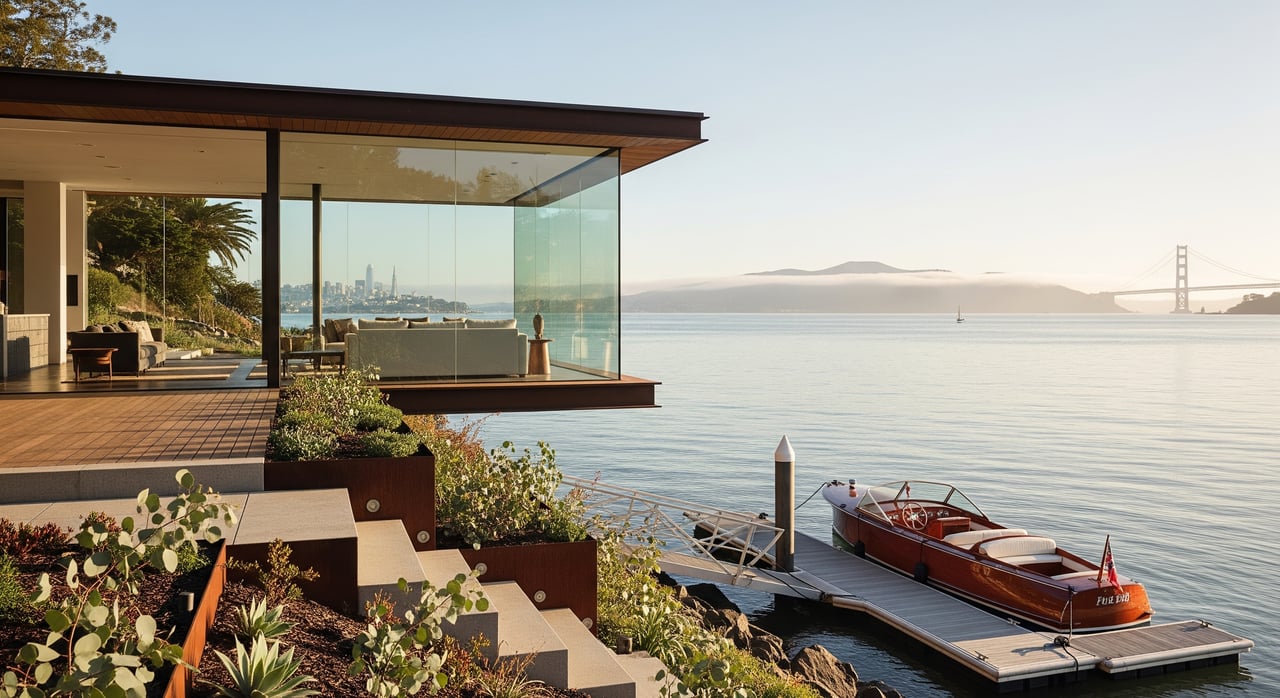
Sausalito sits on Richardson Bay just north of the Golden Gate Bridge. It is a small, primarily residential and visitor‑friendly city with a 2020 U.S. Census population of about 7,269. The setting feels coastal and intimate, with the ferry landing and waterfront promenade at the center of daily life.
Housing types you will find
You will see a wide range of homes: waterfront condominiums, a well‑known houseboat community, compact downtown flats, and hillside single‑family homes with sweeping Bay and San Francisco views. Inventory is generally limited and view or waterfront properties tend to draw strong interest. Many buyers compare fee simple hillside homes, condos with HOAs, and houseboats with distinct ownership and mooring considerations.
Cost and competition context
Sausalito is one of Marin County’s higher‑cost markets. Expect limited supply and strong demand for waterfront and view homes. In due diligence, inspectors often flag slope stability, seismic retrofit needs in older homes, and salt‑related maintenance for properties near the Bay.
Permits and planning basics
Sausalito has its own planning and building department. Projects on slopes and most additions typically need geotechnical studies and grading or foundation permits. For older homes, seismic upgrades and coastal or flood permitting can apply. Always confirm permit history and any open issues with the City before you move forward.
Commute options and timing
Driving over the Golden Gate Bridge
Driving to San Francisco via U.S. 101 and the Golden Gate Bridge is direct, but traffic varies by time of day. Off‑peak trips to downtown can be short. During peak commute periods and special events, plan for added delay and keep a backup option in mind.
Taking the Sausalito ferry
Golden Gate Ferry provides regular service between Sausalito and San Francisco’s Ferry Building area. Typical one‑way travel is about 30 minutes depending on the route and vessel. Peak sailings are popular, and many riders walk, bike, or get dropped off since ferry parking near terminals is limited.
Buses and biking
Golden Gate Transit and Marin Transit connect Sausalito with other Marin cities and the regional transit spine. Some commuters bike across the Golden Gate Bridge or combine a bike ride with a ferry that accepts bicycles. Bridge approaches and paths can feel busy at peak times, so test your route.
Microclimates and view homes
Sun, fog, and wind
Sausalito’s microclimates can shift within a few blocks. Lower areas along Richardson Bay tend to be cooler and windier, with fog arriving at times from San Francisco. Hillside and south‑facing slopes usually get more sun and can feel warmer, which many buyers seek for outdoor living.
Maintenance realities near the Bay
Waterfront and near‑Bay homes face salt exposure that can accelerate corrosion of metal fixtures, railings, and HVAC components. Plan for more frequent painting, inspections, and use of corrosion‑resistant materials. In cooler, shaded pockets, pay close attention to ventilation and drainage to reduce moisture and mold risk.
Hillside structure and safety
Hillside properties often rely on retaining walls, terracing, and stepped foundations. When you plan renovations or additions, expect to involve a geotechnical engineer and follow hillside development rules. Older homes may need seismic upgrades, including foundation reinforcement or chimney work.
Parking and steep‑street logistics
Daily parking norms
Many Sausalito streets are narrow and steep, with stair shortcuts in walkable areas. Private driveways and garage parking are valuable features on hillside homes. Downtown and the waterfront along Bridgeway use metered parking and public lots, which can fill quickly on weekends and holidays.
Moving day strategies
Large moving trucks may not reach some hillside homes or park directly out front. You might need a short carry, smaller shuttle vehicles, or timed curb access. Contact the City’s Public Works or Police Department for temporary no‑parking signs, meter bagging, or street‑closure guidance before your move.
Life along Bridgeway
Waterfront dining and the ferry
Bridgeway is the social spine of Sausalito. You will find restaurants, cafes, galleries, shops, and the Sausalito Ferry Terminal along this waterfront avenue. The promenade and parks make it easy to stroll, meet friends, and enjoy bay views.
Recreation and cultural highlights
On the water, residents enjoy kayaking, paddleboarding, sailing, and a vibrant marina scene. Trailheads to the Marin Headlands and nearby open spaces provide quick access to hiking and mountain biking. Cultural standouts include the Bay Model Visitor Center and the annual Sausalito Art Festival.
Weekends and tourism
Sausalito draws visitors year‑round, especially on sunny weekends. Expect heavier traffic and tighter parking along Bridgeway and downtown during peak times. Many residents plan errands early or choose neighborhood routes to avoid the busiest hours.
Buying smart in Sausalito
Due diligence checklist
Use this shortlist to focus your evaluation:
- Obtain recent geotechnical and structural reports if you are considering a hillside home.
- Request the full permit history and look for unpermitted work with the City’s planning and building office.
- Verify flood zone status for waterfront or low‑lying properties and understand lender requirements for flood insurance.
- Ask about past landslides, retaining wall repairs, and any salt‑corrosion maintenance plans.
- Review HOA documents for condos or houseboats, including CC&Rs, reserve studies, and assessments.
- Get quotes for earthquake and flood insurance and factor potential retrofit costs into your budget.
Test your daily routine
Try before you buy
Spend time in Sausalito at the same hours you would live and commute:
- Drive across the Golden Gate Bridge during a typical morning and evening commute.
- Ride the Sausalito ferry during peak sailings to feel the crowd levels and timing.
- Test bus connections with Golden Gate Transit or Marin Transit for non‑driving days.
- Visit Bridgeway on a busy weekend to gauge noise, parking, and visitor traffic.
- Walk the route from your target home to parking, the ferry, or your favorite cafe.
Houseboats, condos, and hillside homes
Ownership differences to know
Houseboats come with unique considerations, including mooring agreements, upland access, and utility setups. Condominiums bring HOAs, shared maintenance, and rules that can affect renovations and leasing. Hillside homes often include complex foundations and retaining structures that influence long‑term costs and project planning.
Insurance and hazard planning
Flood and sea‑level considerations
Low‑lying waterfront properties and houseboats can fall within mapped flood zones. Lenders may require flood insurance, and regional studies outline sea‑level rise projections for long‑term planning. Review property‑specific maps and ask for documentation in disclosures.
Earthquake readiness
Earthquake coverage is available through private insurers. If a home is older, factor in retrofit needs alongside standard inspection items. Reinforcing foundations and addressing unreinforced elements can improve resilience and may support insurability.
Landslide and liquefaction
Parts of Marin show mapped landslide or liquefaction hazards that buyers should review. Your disclosure packet and county hazard maps will help you understand a property’s risk profile. Confirm past grading, drainage patterns, and retaining wall performance when you inspect.
Moving day game plan
Smooth the logistics
- Confirm truck access in advance and whether a shuttle vehicle is needed for steep or narrow streets.
- Coordinate temporary parking or street permits with the City’s Public Works or Police Department.
- Ask movers about stair or steep driveway fees and verification of insurance coverage.
- If you plan to use the ferry for commuting, check current parking availability and consider walking or biking to the terminal.
Final thoughts and next steps
Sausalito offers a rare mix of waterfront energy, hillside quiet, and direct access to San Francisco. If you plan for microclimates, hillside construction, and parking logistics up front, living here can feel both easy and inspiring. The right advisor can help you weigh commute tradeoffs, review geotechnical and permit history, and spot design opportunities that fit your lifestyle.
If you are exploring a move to Sausalito or want a property‑by‑property game plan, connect with Daniel M. Nebenzahl for thoughtful, local guidance on homes, permits, and smart design decisions.
FAQs
What should I know about the Sausalito ferry commute?
- The Sausalito to San Francisco ferry typically takes about 30 minutes one way, with peak sailings popular and limited terminal parking, so many riders walk, bike, or get dropped off.
How do Sausalito microclimates affect daily life?
- Lower waterfront areas can be cooler and windier with some fog, while south‑facing hillsides are often sunnier and warmer, which affects outdoor comfort and home maintenance.
Are hillside homes in Sausalito harder to maintain?
- Hillside properties often include retaining walls, stepped foundations, and drainage systems that require regular care and may need geotechnical input for additions or renovations.
Is parking difficult in Sausalito neighborhoods?
- Steep, narrow streets make private parking valuable, and downtown or Bridgeway parking can be tight on weekends, so plan for garages, driveways, or time‑limited curb rules.
What is different about buying a Sausalito houseboat?
- Houseboats involve mooring agreements, access logistics, and utilities that differ from land‑based homes, and they may have flood insurance or marina requirements to review.
Do I need special permits for Sausalito remodels?
- Projects on slopes and many additions typically require geotechnical studies and specific permits from the City’s planning and building department, so review permit history early.
How should I test a Sausalito commute before moving?
- Drive or ferry during your typical work hours, try bus connections, and visit Bridgeway on weekends to understand traffic, parking, and crowd patterns before you decide.