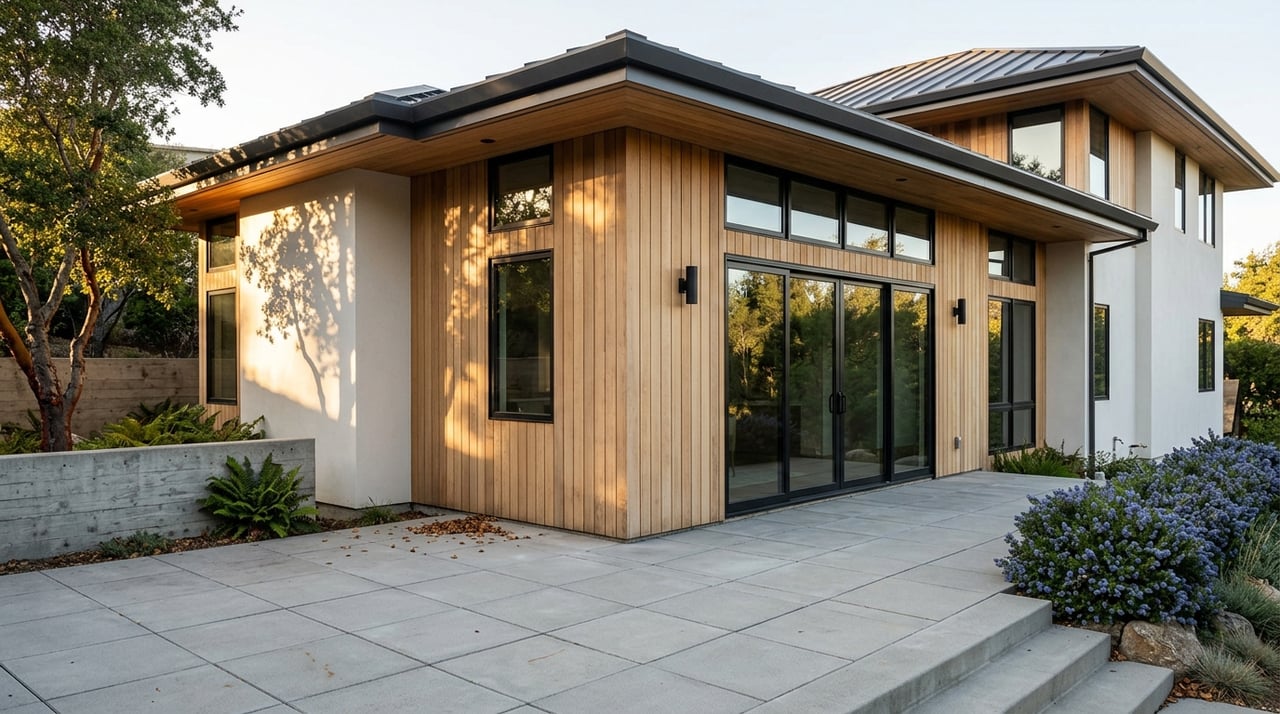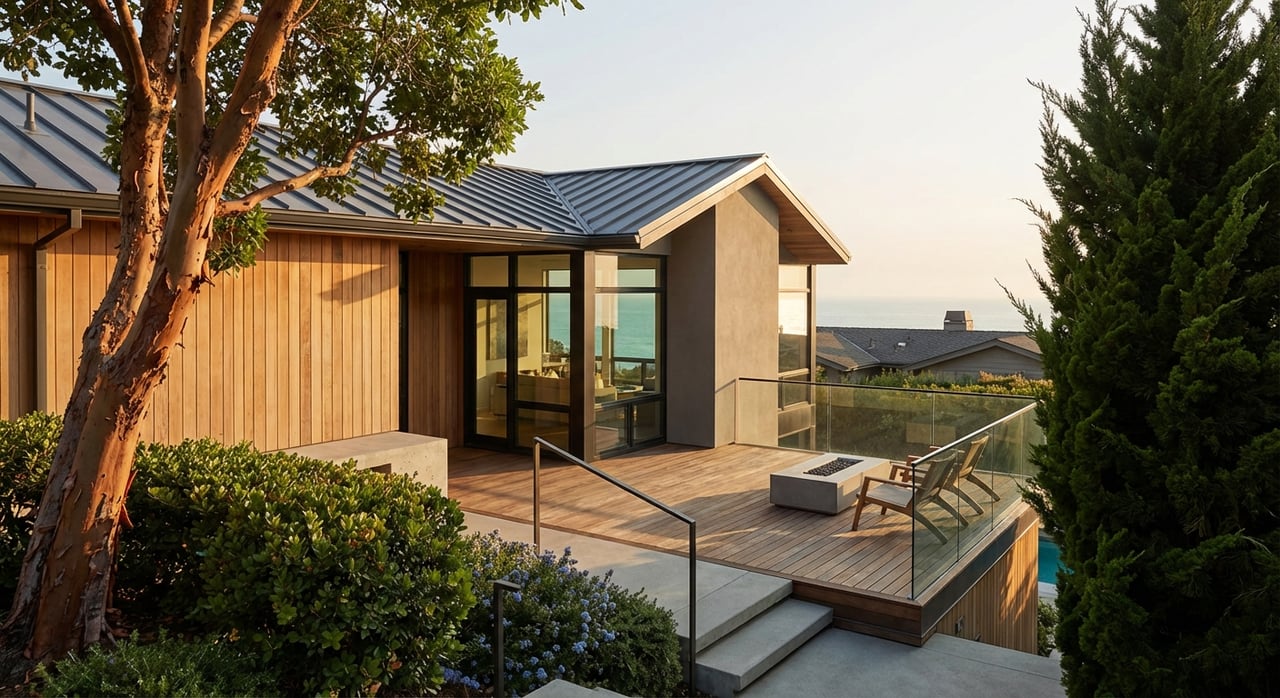
Bay at your doorstep or panorama from the ridge? If you are weighing Tiburon’s waterfront against its hillside homes, you are choosing between two exceptional lifestyles that play out differently day to day. Both options offer beauty, privacy, and status, yet they come with distinct costs, risks, and practical tradeoffs. In this guide, you will compare views, weather, walkability, ongoing upkeep, permitting, and resale dynamics so you can choose with confidence. Let’s dive in.
Tiburon market context, simply put
Public market snapshots use different methods, which is why numbers you see online often do not match. Some sources track median list or sale prices, while others use indexed value models. Expect variation and rely on parcel-level comps when you get serious about a specific home. What matters most for your decision is how lifestyle and long-term costs differ between waterfront and hillside properties.
Lifestyle: how you will live
Views and water access
Waterfront addresses put the bay front and center. You may enjoy direct water views, the energy of the shoreline, and proximity to marinas and yacht clubs. Some parcels have private docks or shared slips where deeded, which adds convenience and value. Hillside homes trade dock access for sweeping vistas that often capture the San Francisco skyline, Angel Island, and Mount Tamalpais. Higher elevations typically have unobstructed sightlines that change less over time.
Weather and microclimates
Tiburon’s microclimates are real. Bayside coves and downtown areas tend to be milder, while exposed headlands can be breezier. On some days, ridge and upper-slope homes sit above the marine layer and get more sun. The best test is to visit target homes at different times of day and in different weather so you can feel the conditions yourself.
Walkability and daily ease
Downtown Tiburon near Main Street and the ferry is the most walkable part of town. In-town addresses often show mid-range Walk Scores, while hillside streets commonly score lower and are more car reliant. You can see the contrast in sample address pages on Walk Score, where hillside locations trend to the single digits or teens and downtown examples are higher. If ferry access matters, the Golden Gate Ferry Tiburon service offers a straightforward link to San Francisco that many commuters prefer over driving across the bridge.
For a feel of address-by-address variation, review a sample hillside Walk Score page that illustrates the difference from downtown norms on the peninsula. A quick look helps set day-to-day expectations. (Walk Score example)
Privacy, activity, and noise
Waterfront life is active. You will be near parks, promenades, marinas, and ferry activity. That mix brings energy and occasional noise from boats and events. On the hillside you gain separation, fewer passersby, and a quieter setting. The tradeoff is longer drive times to town and steeper access roads in some areas.
Risks and recurring costs to plan for
Waterfront: flooding, sea-level rise, and permits
Tiburon’s planning documents identify parts of downtown, Paradise Cay, and other low-lying shoreline areas as vulnerable to sea-level rise. It is smart to treat SLR as a current planning factor for waterfront parcels. The town maintains resources on its Sea Level Rise and Shoreline Adaptation page.
Use NOAA’s Sea Level Rise Viewer to visualize how different scenarios may interact with a given block. These tools guide planning, not engineering, yet they help you frame questions for inspectors and insurers.
Shoreline projects are regulated. The Bay Conservation and Development Commission oversees most work involving docks, shoreline fill, and bay-edge structures. Expect multi-agency approvals for docks, bulkheads, and major repairs. Start with BCDC’s permits program to understand the process.
Flood insurance may be required if a property sits in a FEMA Special Flood Hazard Area. Lenders often ask for an Elevation Certificate and written insurance quotes during underwriting. Know the basics of NFIP terms and timelines on FEMA’s flood insurance terminology page.
Seawalls, bulkheads, and docks are specialized and not cheap. Public projects in the region illustrate the scale, like San Francisco’s Embarcadero seawall program, which indicates how complex and costly shoreline work can become at city scale. For context, review the Embarcadero seawall initiative summary. Private owners should budget for inspections, routine maintenance, and eventual capital work over a long holding period.
Waterfront: salt exposure and upkeep
Salt air accelerates corrosion and exterior wear. Expect more frequent painting, hardware replacement, and routine checks on windows, railings, and any marine elements. This is normal for bayside homes, but it does add to annual maintenance and long-term planning.
Hillside: slope, drainage, and geotechnical reviews
Steeper sites can require retaining walls, drainage upgrades, or engineered solutions over time. If you plan to remodel or expand, a geotechnical report is common for hillside addresses and for lots near mapped slide terrain. The USGS maintains regional landslide resources that show the Bay Area’s history of rainfall-triggered slides. Review the USGS landslide maps and plan for site-specific investigation during inspections.
Hillside: wildfire and road access
Most of the Tiburon Peninsula is not mapped as the highest state fire-severity tier. Some upland and ridge sections have moderate hazard designations in recent maps. Check the latest official resources and local fire district rules on defensible space, road width, and egress. Local coverage summarizes how residents and officials view wildfire safety and mapping updates. See this overview from The Ark: local wildfire safety and new risk maps.
Insurance: flood, earthquake, and homeowners
If a home is in a FEMA SFHA, factor in flood insurance quotes early, including the standard 30-day waiting period for new NFIP policies. For seismic risk, earthquake coverage is available through the California Earthquake Authority and private markets. Explore coverage options and deductibles on the California Earthquake Authority site so you can price policies alongside retrofit or bracing work.
Resale and liquidity considerations
True waterfront is scarce on the Tiburon Peninsula, which helps support a premium for well-located bayfront parcels. That buyer pool can be smaller and highly specific, which sometimes means different marketing timelines compared with hillside listings. Hillside view homes, while still premium, often appeal to a broader set of buyers who want privacy and big vistas without direct shoreline obligations. Over the long run, liquidity can be sensitive to interest rate cycles, evolving perceptions of climate risk, and the cost of deferred shoreline or slope work. The right strategy is to buy with a long-term plan, keep permits and maintenance well documented, and present a clear, accurate property story at resale.
Quick compare: waterfront vs hillside
If you lean waterfront
- Best for: daily water connection, dock or marina access, short walks to the ferry and Main Street.
- Day-to-day: vibrant shoreline activity, easy bay life, mild conditions in many coves.
- Budget for: flood insurance if applicable, more frequent exterior maintenance, seawall or dock inspections, and potential shoreline permits.
- Key checks: elevation certificate, FEMA/SLR exposure, BCDC permit history, written flood insurance quotes, and marine engineering reports.
If you lean hillside
- Best for: sweeping panoramic views, privacy, and quieter streets.
- Day-to-day: more sun above the marine layer on certain days, longer drives to downtown.
- Budget for: drainage management, retaining walls, vegetation and defensible space maintenance, and geotechnical work for expansions.
- Key checks: geotechnical report, drainage inspection, local wildfire requirements, and egress road assessments.
Your due diligence plan
Work through these steps before removing contingencies. They will help you compare Tiburon homes objectively.
- Flood and sea-level exposure
- Confirm whether the parcel lies in a FEMA Special Flood Hazard Area. Request any Elevation Certificate on file and run the address in NOAA’s Sea Level Rise Viewer. Use the town’s SLR resources to understand local planning context.
- Title, easements, and shoreline rights
- Verify upland title lines, dock rights, and any recorded seawall or shared-maintenance agreements. For shoreline structures, start with BCDC’s permits program and request available records.
- Structural, marine, and geotechnical inspections
- Waterfront: order a marine survey for docks, pilings, and bulkheads, plus a structural review of any seawall.
- Hillside: commission a geotechnical report if you plan changes or if the lot sits near mapped slide terrain, and add a drainage evaluation. Use the USGS landslide maps as background.
- Insurance and lender pre-check
- Obtain written flood and homeowners quotes early. If you need earthquake coverage, compare options on the California Earthquake Authority site alongside retrofit plans. Lenders may require documentation for flood zones.
- Permits and entitlement history
- Collect copies of all dock, seawall, bulkhead, and retaining wall permits and confirm whether work required amendments or regional approvals. BCDC’s permits program outlines the basics.
- Neighborhood functional checks
- Visit on foggy mornings, bright afternoons, and during winter high- or king-tide windows. Note parking, shore activity, ferry noise, and any constraints on emergency egress. For commute planning, check the Tiburon ferry schedules.
- Long-term maintenance and capital planning
- Waterfront: calendar periodic marine inspections and set aside reserves for seawall or bulkhead work. The Embarcadero seawall program illustrates the complexity and cost of shoreline infrastructure at scale.
- Hillside: plan for ongoing drainage care, vegetation management, and retaining wall maintenance.
Choosing between waterfront and hillside in Tiburon comes down to daily rhythm and long-term stewardship. If you love the pulse of the shoreline and easy ferry access, waterfront may be worth the added upkeep. If you value panoramic views, sun, and privacy, a hillside setting can be unforgettable. When you are ready to compare specific addresses, align the property’s condition and permitting history with your risk tolerance and time horizon.
Ready to walk the tradeoffs and find the right fit? Reach out to Daniel M. Nebenzahl for tailored guidance, on-the-ground tours at different times of day, and a clear plan to evaluate costs, permits, and resale potential.
FAQs
What costs differ most between Tiburon waterfront and hillside homes?
- Waterfront owners should budget for flood insurance if required, marine inspections, and potential seawall or dock work, while hillside owners often plan for drainage, retaining walls, and vegetation management.
How walkable is downtown Tiburon compared with hillside neighborhoods?
- Downtown addresses near Main Street and the ferry are meaningfully more walkable, while hillside streets are typically car dependent, as shown by sample address pages on Walk Score.
What permits are needed to repair a Tiburon dock or seawall?
- Many shoreline projects require approvals from the Bay Conservation and Development Commission in addition to town permits, so expect a multi-agency path for docks, bulkheads, and significant repairs.
How should I evaluate wildfire risk for a hillside home in Tiburon?
- Check the latest official hazard maps and local rules on defensible space and egress, and review local reporting on recent map updates for context before inspections.
Do Tiburon waterfront homes require flood insurance?
- If the property lies in a FEMA Special Flood Hazard Area, lenders often require flood insurance and may request an Elevation Certificate and written quotes during underwriting.
Does the Tiburon ferry change commute times meaningfully?
- Yes, Golden Gate Ferry service from Tiburon offers a reliable alternative to driving, which many buyers prefer for San Francisco commutes and event days.